


Hash Functions Explained: 5 Key Properties That Make Data Retrieval Feel Like Magic
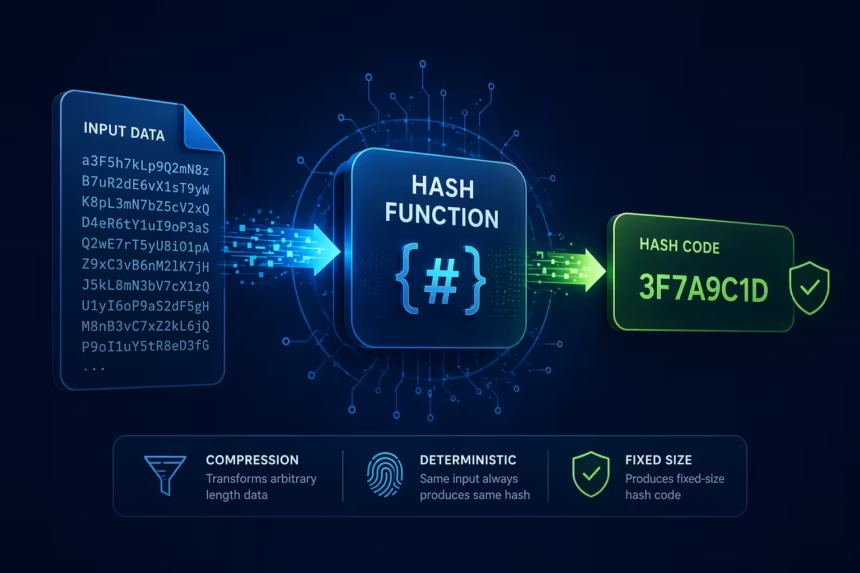
Have you ever wondered how a website knows your password is correct in a split second? Or how your computer finds one specific file out of millions almost instantly? It’s not just "being fast"—it’s a bit of mathematical sorcery called Hashing. Think of a Hash Function as a high-tech "Blender." You put something in—a word, a giant book, or a photo—and the blender spits out a tiny, unique digital fingerprint (a fixed string of numbers…
Day 2: Quicksort The Ultimate Guide to the Divide and Conquer Champion
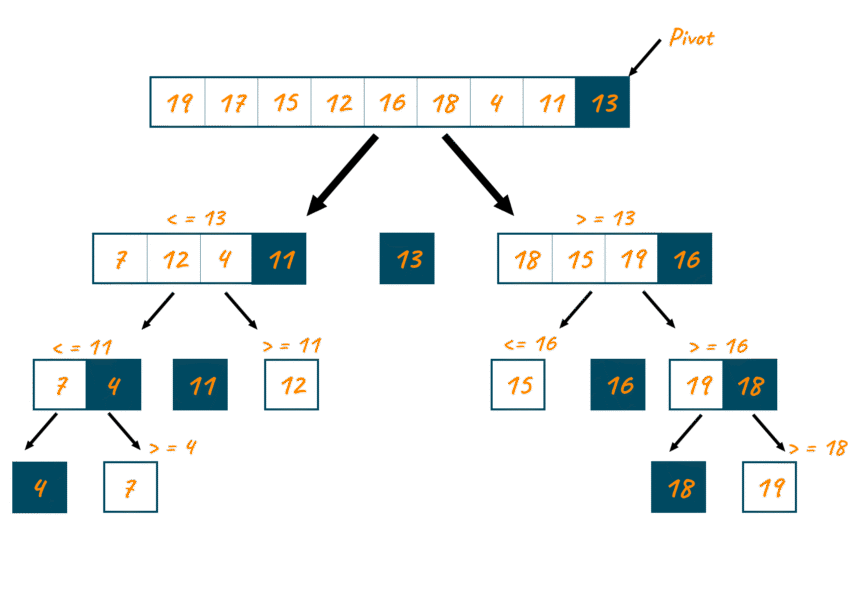
Quicksort is the "Gold Standard" of sorting algorithms. Efficient, in-place, and remarkably fast, it is the backbone of many standard libraries (like C++ std::sort). This guide breaks down the complex logic of quicksort into a streamlined, high-performance reference for developers. 1. What is Quicksort? (The High-Level View) Quicksort is a Divide and Conquer algorithm. It works by selecting a "pivot" element from the array and partitioning the other elements into two sub-arrays, according to whether…
Day 1: Binary Search — A Brilliant Way to Find a Needle in a Haystack Fast

Binary Search? Imagine you are looking for the word "Magic" in a physical dictionary. Would you start at page one and read every word until you hit the 'M's? Of course not. You’d open the book to the middle. If you see "Queen," you know "Magic" is in the left half. You've just eliminated 500 pages in a single second. That "divide and conquer" instinct is exactly how Binary Search works. It is one of…
Unlocking the Invisible 30 Algorithms That Run The World

Ever wonder what’s actually happening under the hood of your favorite tech? For the next 30 days, I’m stripping away the complexity to show you the 30 foundational algorithms that act as the hidden heartbeat of our modern life. The Mission: Why This Series? Most of us interact with thousands of algorithms every day—when we search on Google, unlock our phones with a glance, or even just wait for a GPS to find a faster…
Understanding Quantum Computing in Simple Terms

What is Quantum Computing? Quantum computing is a cutting-edge technology that uses the principles of quantum mechanics to process information. Unlike traditional computers, which use bits represented as 0s and 1s, quantum computers use quantum bits or qubits, which can exist in multiple states simultaneously. This allows quantum computers to solve complex problems much faster than conventional computers. How Does Quantum Computing Work? At the core of quantum computing lies the concept of superposition and…
Nvidia releases first open AI models for quantum computing
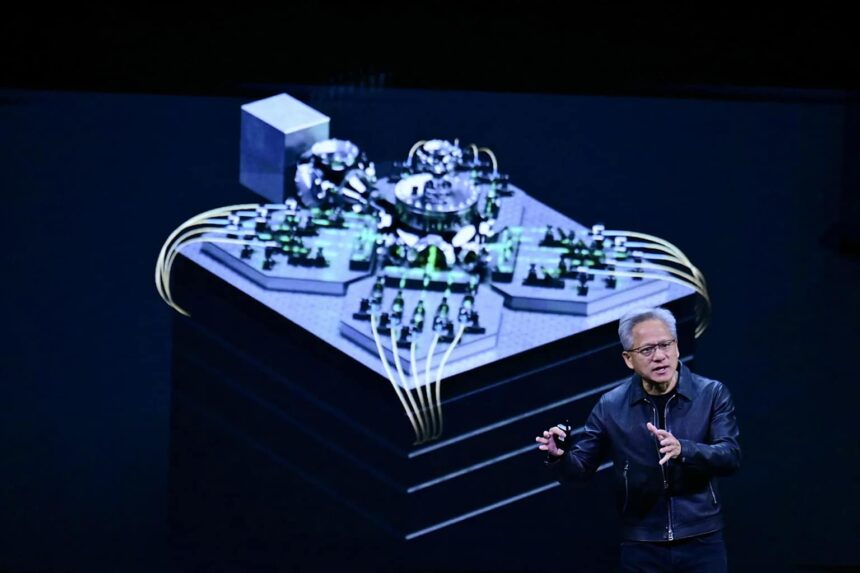
NVIDIA on Tuesday released Ising, a family of open-source AI models it describes as the world's first designed to accelerate the path to practical quantum computers. The launch, timed to coincide with World Quantum Day on April 14, targets two persistent bottlenecks in quantum development: processor calibration and error correction. What Ising Does The Ising family comprises two components. Ising Calibration is a vision language model that automates quantum processor calibration, a labor-intensive process that…