


What is Quantum Computing?
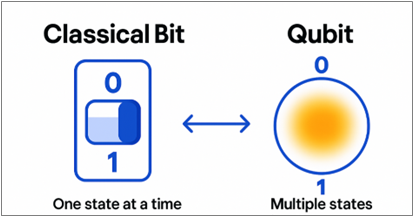
Quantum computing is a cutting-edge technology that uses the principles of quantum mechanics to process information. Unlike traditional computers, which use bits represented as 0s and 1s, quantum computers use quantum bits or qubits, which can exist in multiple states simultaneously. This allows quantum computers to solve complex problems much faster than conventional computers.
How Does Quantum Computing Work?
At the core of quantum computing lies the concept of superposition and entanglement. Superposition enables qubits to represent both 0 and 1 at the same time, significantly increasing computational power. On the other hand, entanglement binds qubits together, meaning the state of one qubit can depend on the state of another, no matter how far apart they are. This unique behavior allows quantum computers to perform multiple calculations simultaneously.
Applications of Quantum Computing
Quantum computing holds the potential to revolutionize various fields. In finance, it can enhance investment strategies by analyzing data faster than traditional methods. In medicine, quantum algorithms can accelerate drug discovery by simulating molecular interactions more accurately. Furthermore, quantum computing can improve optimization problems, benefiting logistics and supply chain management. As research and development continue, the possibilities for quantum computing seem limitless.